
Childbirth Normal Delivery: How to Increase Chances of Natural Birth Without C-Section
Childbirth normal delivery remains a deeply natural and empowering experience when approached with mindful preparation and informed choices. This guide explores how women can improve their chances of childbirth normal delivery through a balanced blend of physical readiness, emotional strength, and supportive medical care. From gentle exercises like prenatal yoga to a nourishing pregnancy diet, every small step contributes to a smoother journey. It also highlights lesser-known medical insights, the importance of body positioning during labour, and practical daily routines that quietly enhance outcomes. While acknowledging that a c section may sometimes be necessary, the focus remains on building confidence rather than fear. With the right habits, awareness, and guidance, childbirth normal delivery becomes less of a distant hope and more of a realistic, graceful possibility for many expectant mothers.
Neha Shukla
6/5/202610 min read
Childbirth Normal Delivery: How to Prepare Your Body for Natural Labor
For generations, normal delivery in childbirth was the very rhythm of human existence, a sacred, unhurried passage trusted to nature's own intelligence. Yet today, with C-section rates rising steeply across the globe, many expectant mothers carry a private, gnawing fear: What if my body cannot do this naturally? The answer, supported by evidence and experience alike, is that preparation transforms possibility into probability. Childbirth normal delivery is not a matter of luck; it is a matter of lifestyle, mindset, and the right medical support.
This guide brings together actionable, doctor-backed wisdom drawn from midwifery tradition and modern obstetric research, to help every woman approach her birth story with knowledge, grace, and unshakeable confidence. Because the journey toward childbirth normal delivery begins long before the first contraction arrives.
Also Read: How to Get Bigger Breast Naturally: Proven Methods, Diet, and Exercises
How to Get Normal Delivery?
Achieving childbirth normal delivery begins not in the labour ward but in the quiet, deliberate choices made across the months of pregnancy. Each decision, from how one walks to how one breathes, contributes to a body genuinely ready for vaginal delivery. Understanding how to get normal delivery means understanding that preparation is an accumulation, not a single act.
Physical Preparation for Normal Labor Delivery
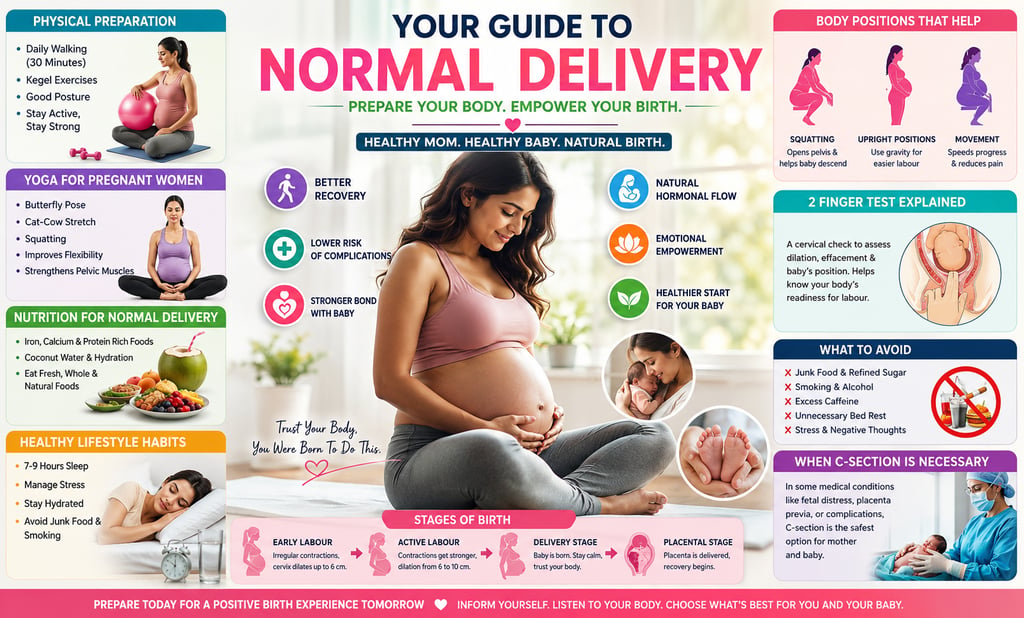
The body that labours well is one that has been tenderly, consistently prepared. Walking 30 minutes each day encourages optimal foetal positioning, strengthens the pelvic muscles, and primes cardiovascular endurance for the demands of normal labor delivery.
Sitting upright rather than reclining helps the baby's head descend and engage with the cervix, which is one of the earliest milestones in the journey toward childbirth normal delivery. Body posture is not vanity; it is a physiological strategy.
Stages of birth preparation begin in the third trimester with daily Kegel exercises, which build the pelvic floor intelligence needed to guide the baby's descent with control and muscular grace.
Mental Readiness and Fear Reduction
The mind holds extraordinary influence over the body's ability to labour. The fear-tension-pain cycle explains how anxiety tightens the muscles involuntarily, slowing cervical dilation and prolonging labour. Slow, deliberate breathing resets this cycle by activating the parasympathetic nervous system, signalling safety.
Visualisation practised nightly from the 36th week allows a woman to rehearse the sensations of childbirth normal delivery in a state of calm, building confidence long before contractions arrive.
Choosing the Right Doctor and Hospital
Hospital policy exerts remarkable influence on the likelihood of childbirth normal delivery. C-section rates vary enormously between institutions. Ask prospective providers directly: What is your policy on movement during active labour? What is your institution's rate of vaginal delivery?
A birth environment that supports freedom of movement and avoids unnecessary induction is one that genuinely champions how to get normal delivery, not merely manages it.
Also Read: Yeast Infection Treatment: Causes, Symptoms, and Effective Remedies You Should Know
What Are the Best Yoga for Pregnant Women?
With physical preparation established, the next natural bridge is movement that is both deliberate and restorative. Yoga for pregnant women offers precisely that: a practice that blends breath, strength, and surrender into a language the labouring body already speaks.
Best Yoga for Childbirth Normal Delivery
Butterfly Pose: Seated with soles of the feet pressed together, this posture gently opens the hips and inner thighs, mirroring the very opening required during childbirth normal delivery. Ten minutes daily produces measurable pelvic flexibility over weeks.
Cat-Cow Stretch: Alternating between arching and releasing the spine on hands and knees, this movement encourages optimal foetal positioning and eases the lower back tension that accumulates as pregnancy deepens.
Squatting: The most anatomically intelligent posture for childbirth normal delivery. Squatting widens the pelvic outlet by up to 10%, granting the baby significantly more room to descend. It also trains the body in the exact position most effective during active pushing.
Weekly Routine Plan
Begin with two sessions per week in the second trimester, progressing to four by the third. Each session of yoga for pregnant women need not exceed 30 minutes. A practical rhythm: butterfly pose and cat-cow in the morning for mobility; squatting and supported forward folds in the evening for pelvic readiness.
Safety Precautions
Discontinue any pose that causes dizziness, sharp abdominal pain, or pelvic pressure. Avoid deep twists and lying flat on the back after 20 weeks. Hot yoga is entirely contraindicated. Always practise yoga for pregnant women with a certified prenatal instructor.
Also Read: What Is Women White Discharge? Meaning, Types & Health Insights
What Are the Best Food for Pregnant Women?
Just as yoga prepares the body from the outside in, nutrition prepares it from the inside out. Healthy food for pregnant women is the silent architect of childbirth normal delivery, nourishing the uterine muscle, sustaining the placenta, and fuelling the extraordinary energy demands of labour.
Essential Nutrients for Normal Delivery
Iron prevents anaemia, which undermines maternal stamina during labour. Calcium fortifies the uterus itself, the muscle that must contract with sustained power through normal labor delivery. Protein supports placental development and is strongly associated with reduced risk of complications that lead to C-section.
A thoughtful pregnancy diet begins with oats, eggs, and fresh fruit at breakfast; dal, brown rice, and sautéed vegetables at lunch; and a light warm dinner of paneer, legumes, or lean protein. This pregnancy diet, followed consistently across the third trimester, builds the body's readiness quietly and deeply.
Protein rich foods for pregnancy such as eggs, lentils, chickpeas, tofu, paneer, and lean fish support foetal growth and sustain uterine muscle health through every contraction of active labour.
Coconut water in pregnancy delivers natural electrolytes, potassium, and magnesium, combating dehydration, easing first-trimester nausea, and supporting healthy blood pressure throughout gestation.
Also Read: Breast Cancer Symptoms: How to Spot the Signs Early and Stay Safe
How to Get Healthy Pregnancy?
Nutrition sets the table, but overall lifestyle determines the feast. A truly healthy pregnancy is a living practice renewed each day, and it is one of the most direct pathways to childbirth normal delivery.
Lifestyle Habits That Improve Delivery Outcomes
Sleep is among the most powerful contributors to healthy pregnancy. Seven to nine hours nightly, with a pillow between the knees for pelvic alignment, allows the body to release the hormones that support both foetal development and maternal resilience. Hydration maintains healthy amniotic fluid levels and prevents premature contractions that can complicate a planned vaginal delivery.
Stress management, whether through walking in nature or sitting in stillness, reduces cortisol that is known to disrupt the hormonal balance essential for childbirth normal delivery.
What to Avoid During Pregnancy
What to avoid during pregnancy begins with junk food and refined sugar, which contribute to gestational diabetes and excessive foetal weight, both of which significantly elevate the risk of C-section.
Smoking and passive smoke exposure compromise placental function and are associated with complications that preclude normal delivery.
Excess caffeine beyond 200mg daily has been linked to low birth weight and increased miscarriage risk.
Unnecessary bed rest without medical indication deconditions the pelvic muscles and encourages suboptimal foetal positioning in the final weeks.
Also Read: Best Cardio for Fat Loss at Home: Easy Workouts That Burn More Calories
Medical Truths About Childbirth Normal Delivery That Most Women Don't Know
Cervix Readiness Matters More Than Due Date
The Bishop Score, a clinical measure of cervical ripeness, is a more reliable predictor of successful childbirth normal delivery than gestational age alone. A soft, partially dilated cervix at 39 weeks signals a body ready to labour. Ask the obstetrician to explain this score at the 38-week appointment; it is information most women never think to request.
Induction Can Increase C-Section Risk
When labour is induced before the cervix is ripe, the uterus is asked to perform a complex, coordinated task without preparation. Prolonged, unsuccessful induction frequently leads to the very c section it was intended to prevent. Understanding this truth helps women ask better questions before consenting to induction.
Movement During Labour Speeds Progress
Women who move freely during active labour experience shorter labours and lower rates of instrumental delivery. Upright positions, walking, and swaying all work with gravity, making movement one of the most evidence-backed tools for childbirth normal delivery and one of the least discussed.
Also Read: Top 10 Sources of Protein For Muscle Growth
Role of Body Positioning in Childbirth Normal Delivery
Movement during labour deserves its own focused consideration, because the position a woman adopts can meaningfully change the outcome of natural birth.
Upright Positions vs Lying Down
The evidence is unambiguous: women who labour upright experience shorter labours and lower rates of instrument-assisted delivery. Standing, kneeling, or leaning forward all harness gravity's assistance in ways that lying down simply cannot offer.
Squatting Benefits
During the pushing stage, squatting increases the pelvic outlet and reduces the resistance the baby must overcome. It is an ancient wisdom that modern obstetrics is formally re-embracing, particularly in the context of childbirth normal delivery.
Labour Movement Techniques
Slow hip circles on a birthing ball, side-to-side swaying between contractions, and instinctive rocking are the body's own intelligence at work. These are not random movements; they are purposeful physiological choreography in service of childbirth normal delivery.
Also Read: Weight Loss Exercise: Routines, Workouts, And Training - Everything You Need To Know
Understanding the Stages of Birth for Better Control
With positioning understood, the next layer of empowerment is knowledge of the process itself. What a woman knows, she no longer fears. Knowing what the body is doing at each phase of labour transforms blind endurance into informed, confident participation.
Early Labour Stage
Contractions begin irregularly, lasting 30 to 45 seconds, as the cervix dilates to approximately 6 centimetres. This stage often spans many hours. Rest between contractions, stay hydrated, and remain at home as long as safely possible.
Active Labour Stage
From 6 to 10 centimetres of dilation, contractions intensify. Breathing, movement, and the birth environment matter enormously here. This is where every preparation made toward childbirth normal delivery speaks with its fullest voice.
Delivery Stage
At full dilation, the urge to push becomes instinctive. With skilled support and trust in the body's ancient intelligence, the baby completes its passage into the world, the culmination of nine months of devoted, intentional preparation.
Also Read: Are You Experiencing Anxiety Attack Symptoms? Here’s What Your Body Is Telling You
What Is a 2 Finger Test in Pregnancy?
Understanding the clinical assessments involved in preparing for a safe vaginal birth removes fear from the unfamiliar and replaces it with informed calm.
What It Means Medically
The two finger test, formally known as a digital cervical examination, involves a healthcare provider assessing the cervix for dilation, effacement, consistency, and the baby's station. It is a routine, respectful examination that provides essential information about the body's readiness for childbirth normal delivery.
This examination is typically performed from 36 weeks onwards, when signs of early labour appear, or during antenatal appointments as the due date approaches. It may be repeated during active labour to monitor cervical progress toward full dilation.
Why It Matters for Delivery
A cervix that is soft, thinning, and beginning to dilate signals genuine readiness for vaginal delivery. A firm, closed cervix near term may prompt conversations about cervical ripening. Understanding these findings allows women to participate meaningfully in decisions that shape their entire birth experience.
Also Read: How to Get Period Fast at Home: Effective Tips Backed by Science & Tradition
Practical Daily Routine to Improve Chances of Childbirth Normal Delivery
Knowledge and nutrition mean little without daily application. A woman who follows this routine through the third trimester gives her body an extraordinary foundation for childbirth normal delivery.
Morning: Begin with a glass of warm water, followed by a 30-minute walk at a gentle, purposeful pace. Practise butterfly pose and cat-cow for 10 minutes. Eat a nourishing breakfast rich in protein and complex carbohydrates. Take prenatal vitamins.
Afternoon: Sit upright after lunch rather than reclining. If rest is needed, lie on the left side with a pillow between the knees. Spend 10 minutes in wall-supported squatting practice. Hydrate deliberately with:
Coconut water in pregnancy for natural electrolyte replenishment, delivering potassium and magnesium that support muscle function during both pregnancy and labour.
Evening: Wind down with a warm shower, followed by 10 minutes of slow, deliberate breathing practice. Eat a light, warm dinner. Journal one thing that felt calm and one thing that inspired confidence about labour. Sleep by 10 PM with a pregnancy pillow for spinal support.
Also Read: What Is Women White Discharge? Meaning, Types & Health Insights
Common Mistakes That Reduce Chances of Normal Delivery
Even the most well-intentioned preparation can be undermined by habits that quietly work against childbirth normal delivery.
Ignoring physical activity under the mistaken belief that rest is always safest. Gentle, consistent movement is preparation, not risk.
Following a poor pregnancy diet heavy in processed foods, refined sugar, or nutrient deficiencies that leave the body ill-equipped for labour's demands.
Making late or uninformed hospital decisions by attending antenatal appointments irregularly and remaining unaware of the evolving birth plan.
Relying excessively on bed rest without medical necessity, which deconditions the pelvic muscles and encourages suboptimal foetal positioning.
Avoiding honest conversations with the birth team about preferences, fears, and options, leaving consequential decisions entirely in other hands.
Also Read: Breast Cancer Symptoms: How to Spot the Signs Early and Stay Safe
When C-Section Becomes Necessary
All preparation for childbirth normal delivery must exist alongside a clear-eyed acceptance that a c section, when genuinely necessary, is an act of profound medical wisdom.
Placenta praevia, foetal distress, cephalopelvic disproportion, and umbilical cord prolapse are genuine medical indications that make vaginal delivery unsafe. In these circumstances, the c section is not a deviation from the birth plan.
It is the birth plan, revised with wisdom and compassion in service of two lives. Accepting this possibility is not defeat. It is the mark of a woman who has prepared with intelligence and loves her child above all outcomes.
Also Read: How to Get Bigger Breast Naturally: Proven Methods, Diet, and Exercises
Conclusion
Childbirth normal delivery is not guaranteed, but preparation makes it profoundly more probable. Every nourishing meal, every mindful walk, every breath practised in stillness is a quiet investment in the birth story ahead. Trust the wisdom of a prepared body, and step toward labour with the confidence every woman deserves.
FAQs
What are the 4 steps of normal delivery?
Ans: Normal delivery unfolds across four stages: early labour with irregular contractions and cervical dilation to 6cm; active labour progressing to full 10cm dilation; the pushing and delivery stage where the baby is born; and the placental stage. Each stage carries its own rhythm, duration, and unique physical demands on the mother.
Is 7 month delivery safe?
Ans: A baby born at 7 months, roughly 28 to 32 weeks, is considered premature. While modern neonatal care improves survival significantly, premature babies often require intensive support for breathing, feeding, and temperature regulation. Every additional week in the womb meaningfully improves long-term developmental outcomes and overall infant health.
How many cm is normal delivery?
Ans: Full cervical dilation for childbirth normal delivery is 10 centimetres, the diameter required for the baby's head to pass through safely. The journey to full dilation is gradual, typically spanning many hours, and every centimetre represents genuine, measurable physiological progress toward the birth of the baby.
What is the 3-3-3 rule for postpartum?
Ans: The 3-3-3 postpartum rule encourages new mothers to spend the first 3 days in bed resting completely, the next 3 days on the bed moving gently, and the following 3 weeks near the sofa, gradually increasing activity. This framework honours the profound physical and emotional recovery the body requires after both vaginal and surgical births.
What is a 2 finger test in pregnancy?
Ans: The two finger test is a cervical examination assessing dilation, effacement, consistency, and the baby's descent into the pelvis. It provides essential clinical information about the body's readiness for labour and informs key decisions about timing and approach. It is a routine, medically respectful assessment central to planning for childbirth normal delivery.
About The Author
Mandeep Rawat is a writer who demystifies wellness for modern lives. He writes about nutrition, mindfulness, and sustainable habits, grounded in research, infused with real-world wisdom. His mission is to help you feel better without feeling overwhelmed.



Contact
Don't Let Your Wellness Journey Feel Boring! Get connected with us today to know your health better.
Phone
hello@nehashuklaa@gmail.com
+91 92110 33284
© 2026. All rights reserved.