
How Probiotic Supplements For Gut Health Support Digestion System?
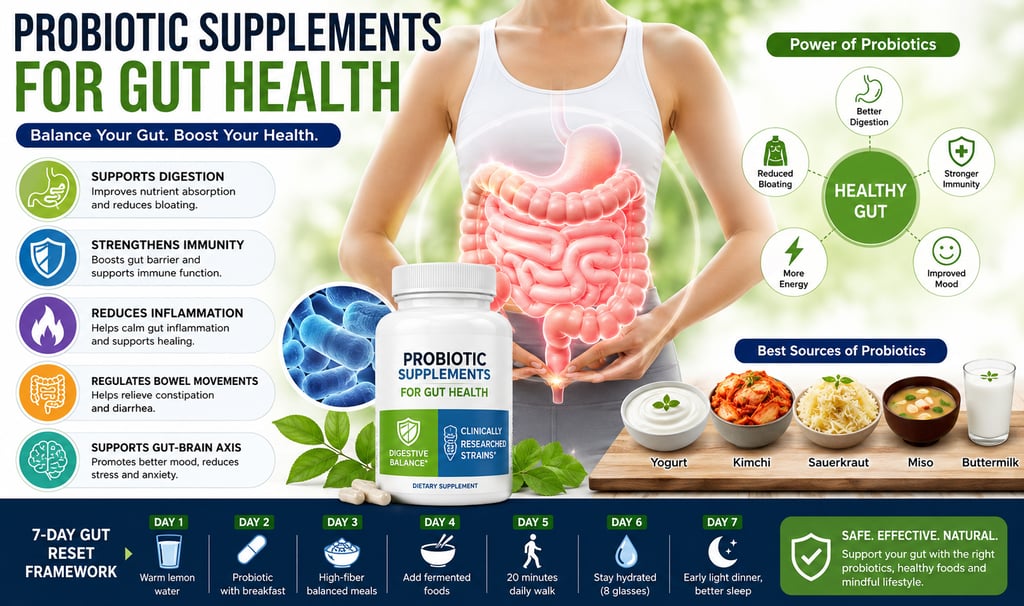
Probiotic supplements for gut health play a vital role in supporting digestion by restoring balance within the gut microbiome, which is often disrupted by stress, poor diet, or antibiotic use. These supplements introduce beneficial bacteria that help improve gut lining integrity, enhance enzyme activity, and reduce inflammation, leading to better digestion and nutrient absorption. While they do not permanently colonize the gut, they assist in stabilizing microbial harmony during their transit. When combined with a fibre-rich diet and prebiotic foods like oats, bananas, and garlic, their effectiveness increases significantly. Initial side effects such as mild bloating or gas are common as the gut adjusts, but these typically subside within a few weeks. Fermented foods like yogurt, kimchi, and buttermilk complement supplements by adding microbial diversity. Consistent use, along with healthy lifestyle practices such as proper sleep and stress management, can help alleviate issues like IBS, diarrhea, and irregular bowel movements. Overall, probiotic supplements for gut health are a practical and effective tool when used correctly and mindfully.
Neha Shukla
5/21/20267 min read
How Probiotic Supplements For Gut Health Support Digestion System?
You might have noticed how a simple meal can sometimes leave you battling bloating, gas, or unpredictable bowel movements. In this delicate dance of digestion, probiotic supplements for gut health have emerged as both a remedy and a riddle, promising relief, yet raising questions about side effects, diet choices, and true healing. I remember the morning I sat at my kitchen table, doubled over with bloating so relentless it felt like my gut had declared war on me.
Every meal became a gamble. It was only when I discovered probiotic supplements for gut health that the fog began to lift - not magically, but with a measured, dignified grace. If your stomach tells a similar story of gas, irregular bowel movements, and quiet digestive despair, this guide was written with you in mind.
Also Read: Probiotic for Digestive Health: 10 Powerful Benefits Your Gut Will Thank You For
What Are Probiotic Supplements For Gut Health?
Probiotic supplements for gut health are concentrated preparations of live, beneficial bacteria designed to restore equilibrium within the gut microbiome - that vast, teeming civilisation of microorganisms residing in your digestive tract. When modern life intervenes through chronic stress, poor diet, or excessive antibiotic use, this delicate internal republic collapses into dysbiosis, manifesting as IBS, diarrhea, bloating, and in graver cases, ulcerative colitis.
How Probiotics Interact With The Gut Microbiome?
Probiotics do not permanently colonise the gut; they are distinguished visitors who, during transit, recalibrate the microbial neighbourhood. Not all strains survive the corrosive bath of stomach acid - enteric-coated capsules and spore-forming strains fare considerably better than their unprotected counterparts.
Difference Between Supplements And Natural Sources
Uses of probiotic supplements for gut health include targeted, strain-specific delivery that fermented foods like yogurt, kimchi, sauerkraut, and miso simply cannot guarantee in consistent quantities.
Top 10 probiotic supplements for gut health typically feature clinically validated strains such as Lactobacillus acidophilus, Bifidobacterium longum, and Lactobacillus rhamnosus - organisms fermented foods contain only in passing.
Bioavailability differs considerably. Capsules deliver measured colonies; fermented foods offer a broader, wilder microbial diversity. The wisest approach weds both traditions gracefully.
Check Out: What Are Probiotics For Gut Health?
How Do Probiotic Supplements Reduce Inflammation?
Dysbiosis ignites a slow, smouldering inflammation in the gut lining - an immune response to harmful bacteria that have overstayed their welcome. Left unaddressed, this internal fire quietly fuels chronic conditions far beyond the digestive tract.
Mechanism Of Reducing Inflammation
Gut barrier repair: Probiotics stimulate short-chain fatty acids like butyrate, which fortify intestinal wall cells, making them formidable once again.
Immune modulation: Certain strains recalibrate inflammatory signalling, quieting the overreaction without suppressing necessary immune defences.
Reducing inflammation at the mucosal level prevents the cascade that leads to persistent digestive disorders.
Link Between Inflammation And Chronic Diseases
Chronic gut inflammation is the quiet architect behind IBS, ulcerative colitis, and long-term digestive disorders. The connection extends further - into the gut-brain axis, that remarkable bidirectional highway linking intestinal health to mental wellbeing.
When stress floods the body with cortisol, it compromises gut barrier integrity, worsening inflammation in a vicious, self-perpetuating cycle. Caring for your gut is, in a very real sense, caring for your mind.
Also Read: Top 10 Hair Treatment for Hair Loss in India
How To Cure Digestive Issues With Probiotic Supplements?
Begin with a low-dose probiotic - one to five billion CFUs - and allow the gut microbiome two full weeks to adjust before introducing strain diversity. Cure does not arrive overnight; it is cultivated through daily consistency.
Diet Plan To Support Probiotics
Pair supplementation with prebiotic foods - bananas, oats, and garlic - which nourish the bacteria you are introducing. Adequate hydration and fibre intake create the intestinal environment where probiotics genuinely thrive. The diet is not secondary; it is the soil in which recovery grows.
Lifestyle Changes For Better Results
Prioritise sleep quality - the gut microbiome follows circadian rhythms with remarkable fidelity.
Practise stress management through breathwork or gentle movement.
Reduce processed food intake, which acidifies the gut environment.
7-Day Gut Reset Framework:
Morning: Warm lemon water and one probiotic capsule with breakfast.
Midday: Fibre-rich meal with a small serving of fermented food.
Evening: Light dinner before 7 PM; avoid heavy fats at night.
Daily: Eight glasses of water and twenty minutes of gentle walking.
Seven days of this rhythm and you will notice quieter digestion, steadier bowel movements, and a lightness you had perhaps forgotten was possible.
Check Out: Breast Cancer Symptoms: How to Spot the Signs Early and Stay Safe
How Are Diarrhea, Ulcer, And Other Digestive Enzymes Interlinked With Probiotic Supplements?
Digestive enzymes are the industrious artisans of the gut, dismantling carbohydrates, proteins, and fats into absorbable forms. Without sufficient enzyme activity, undigested food ferments in the colon, generating gas and inflammatory compounds in uncomfortable abundance.
Impact Of Probiotics On Enzyme Activity
Probiotic supplements for gut health support enzyme activity indirectly - by maintaining mucosal health in the small intestine, where enzymes anchor. Superior gut lining integrity means improved nutrient absorption and fewer debilitating malabsorption episodes.
Conditions Linked With Imbalance
Diarrhea - often a consequence of pathogenic overgrowth disrupting enzyme equilibrium.
Ulcerative colitis - where chronic inflammation degrades both mucosal integrity and enzyme secretion.
IBS - characterised by erratic motility that perpetually compromises the enzyme-absorption cycle.
A particular note on antibiotic use: antibiotics are both saviour and saboteur. They eradicate infection but devastate microbial diversity indiscriminately. Recovery of gut flora post-antibiotic typically requires six to eight weeks of deliberate, consistent probiotic supplementation.
Also Read: Heart Attack Symptoms - What Are The Early Signs To Look For?
How Does Probiotic Supplements For Gut Health Cause Gas And Bloating?
When billions of new bacteria enter a gut accustomed to a different microbial landscape, fermentation increases temporarily. Gas and bloating during the first one to two weeks are the gut's honest, if inelegant, response to meaningful change.
When Side Effects Are Normal Vs Concerning
Normal: Mild bloating, occasional gas, slightly loose stools in the first fortnight.
Concerning: Persistent cramping beyond three weeks, severe stomach discomfort, fever, or blood in stool - these warrant immediate medical attention.
How To Reduce Side Effects
Side effects of probiotic supplements for gut health diminish markedly when you begin at the lowest effective dose.
Select strain-specific probiotics suited to your particular condition - a strain magnificent for diarrhea may be miscast entirely for IBS.
Avoid layering multiple supplements simultaneously; introduce one change at a time for intelligible, trackable results.
Check Out: How to Grow Hair Faster? 10 Proven Secrets That Actually Work
Why Fermented Foods Are Required As Probiotic Supplements For Gut Health?
Supplements are the architect's blueprint; fermented foods are the living foundation stone. Both are indispensable, yet their roles are beautifully distinct.
Benefits Of Fermented Foods
Natural bacteria diversity: Fermented foods introduce microbial variety no single capsule can replicate.
Easier digestion: The fermentation process pre-digests complex molecules, easing burden on an already-strained gut.
Best Fermented Foods To Include
Yogurt - the most accessible and culturally familiar probiotic source across traditions.
Kimchi and sauerkraut - lacto-fermented vegetables rich in Lactobacillus species.
Miso - a refined, umami-rich paste offering both probiotics and prebiotic fibre.
Buttermilk - particularly resonant for the Indian palate, where it has served digestive tradition for centuries.
Combining Supplements With Natural Sources
For the Indian reader, the culinary heritage of chaas, dahi, and idli batter represents a probiotic tradition of remarkable antiquity. Combining these ancestral foods with a targeted supplement creates a balanced, culturally sustainable approach to gut health - one that needs no imported novelty to be genuinely effective.
Also Read: Reason for High Blood Pressure: Causes, Symptoms & Natural Ways to Control It
Side Effects, Risks, And Safe Usage Of Probiotic Supplements
Gas, bloating, diarrhea, and stomach discomfort are the most commonly reported side effects - almost invariably transient and resolved through dose reduction or strain substitution.
Who Should Avoid Probiotics
Immunocompromised individuals, those recovering from serious illness, and people with severe underlying conditions should approach supplementation only under direct clinical supervision. The mechanisms that restore healthy guts can, in rare vulnerable cases, precipitate infection.
Also Read: Breast Cancer Symptoms: How to Spot the Signs Early and Stay Safe
Safe Usage Guidelines
Begin with a clinician-validated dosage. Seek evidence-backed strains with documented clinical trials behind them. Consult a gastroenterologist if symptoms persist beyond four weeks of consistent, faithful supplementation. Smoking degrades the mucosal lining of the digestive tract with quiet, persistent cruelty. Alcohol disrupts gut barrier integrity and decimates microbial diversity with every excess measure consumed.
And genetics - your inherited microbial blueprint - shapes how robustly any given strain will colonise and flourish within your particular biology. Supplement wisely, live consciously, and honour what your ancestry has already written into your gut's ancient design.
Check Out: Top 10 Sources of Protein For Muscle Growth
Conclusion
Probiotic supplements for gut health are neither miracle nor myth - they are a measured, intelligent tool when used with patience, correct dosage, and genuine dietary support. Understand your side effects, respect the adjustment phase, and pair supplementation with fermented foods and mindful living. Your gut, guided with wisdom and consistency, holds a remarkable capacity to restore its own ancient order.
FAQs
What are the best probiotics for gut health?
Ans: The finest probiotic supplements for gut health are strain-specific. Lactobacillus rhamnosus excels for diarrhea management, while Bifidobacterium infantis demonstrates strong results for IBS. Personalised selection - ideally guided by a clinician familiar with your history - yields far superior outcomes than a generalised approach ever could.
What are the signs you need probiotics?
Ans: Persistent bloating, irregular bowel movements, chronic gas, unexplained fatigue, and recurrent digestive discomfort after ordinary meals are reliable indicators that your gut microbiome may be dysbiotic and could benefit from targeted probiotic supplementation paired with supportive diet changes.
What are the 7 signs of an unhealthy gut?
Ans: Watch for chronic bloating, irregular bowel movements, food intolerances, persistent fatigue, skin irritation, frequent illness suggesting immune compromise, and unintentional weight fluctuation - seven eloquent signals that your gut's microbial republic has quietly fallen into disorder.
Are probiotic supplements good for gut health?
Ans: Probiotic supplements for gut health are genuinely beneficial when matched to the right condition and individual constitution. They reduce inflammation, support enzyme activity, and restore microbial balance. They are not universally appropriate, however, and deliver their finest results alongside a fibre-rich, low-processed-food diet.
What are the 5 worst foods for gut health?
Ans: Refined sugar, ultra-processed foods, artificial additives and sweeteners, excess alcohol, and heavily processed red meat consistently produce the most corrosive effects on the gut microbiome - worsening dysbiosis and inflaming the very intestinal terrain that probiotic supplements labour so diligently to restore.

Contact
Don't Let Your Wellness Journey Feel Boring! Get connected with us today to know your health better.
Phone
hello@nehashuklaa@gmail.com
+91 92110 33284
© 2026. All rights reserved.